AESTURA Atobarrier 365 Cream: Formula and Who It Suits
AESTURA Atobarrier 365 Cream decoded: full INCI, the ceramide-cholesterol-fatty acid design, brand test data, 10 Korean reviews and price per mL.
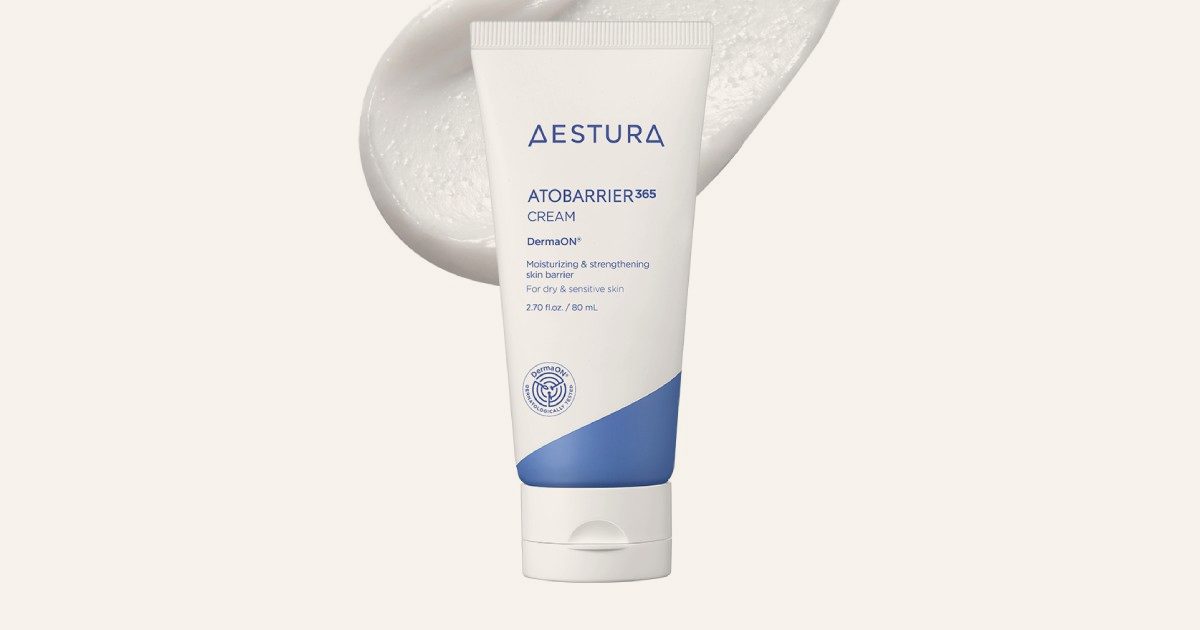
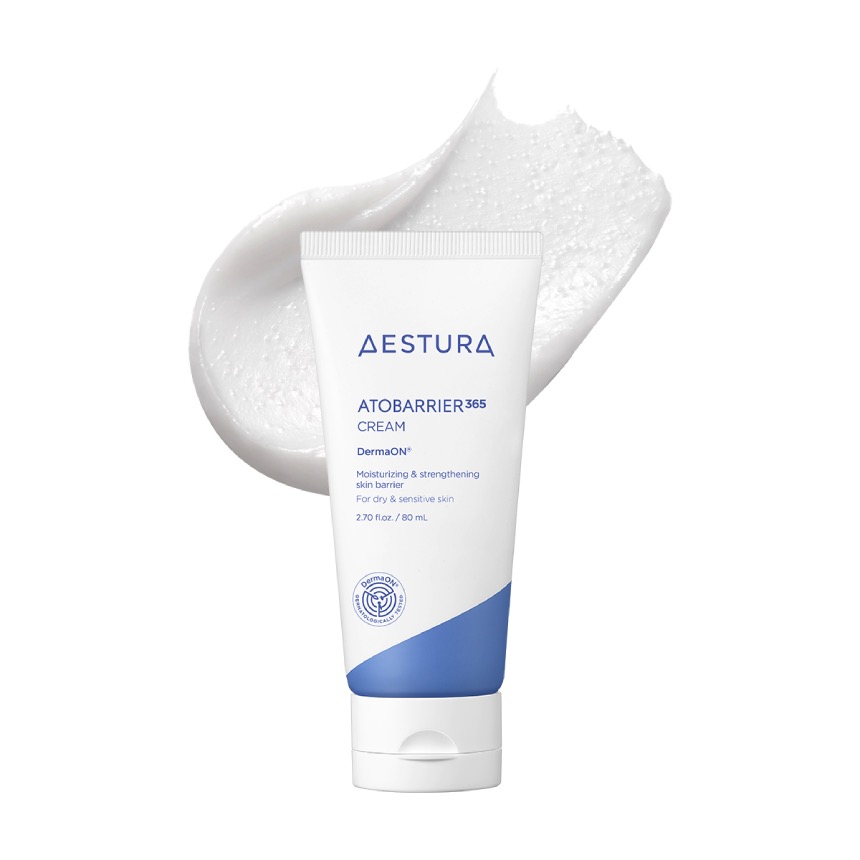
AESTURA Atobarrier 365 Cream is a ceramide barrier cream from Amorepacific’s dermatology-focused brand, and its formula follows one of the best-researched ideas in moisturizer design: give the skin all three lipid families of its barrier at once. Ceramide-type lipids, cholesterol and free fatty acids all appear in the first two-thirds of the ingredient list, wrapped in what AESTURA calls high-density ceramide capsules. The result is a rich, fragrance-free cream that suits dry and sensitive-feeling skin best and asks oily skin to use a lighter hand.
The formula decoded
AESTURA publishes the same 42-ingredient list on its international product page and in the Korean label information on Olive Young Global (both checked October 6, 2026). In the US and Korea, ingredients present above 1% are listed in descending order, so the first dozen names describe most of what you feel.
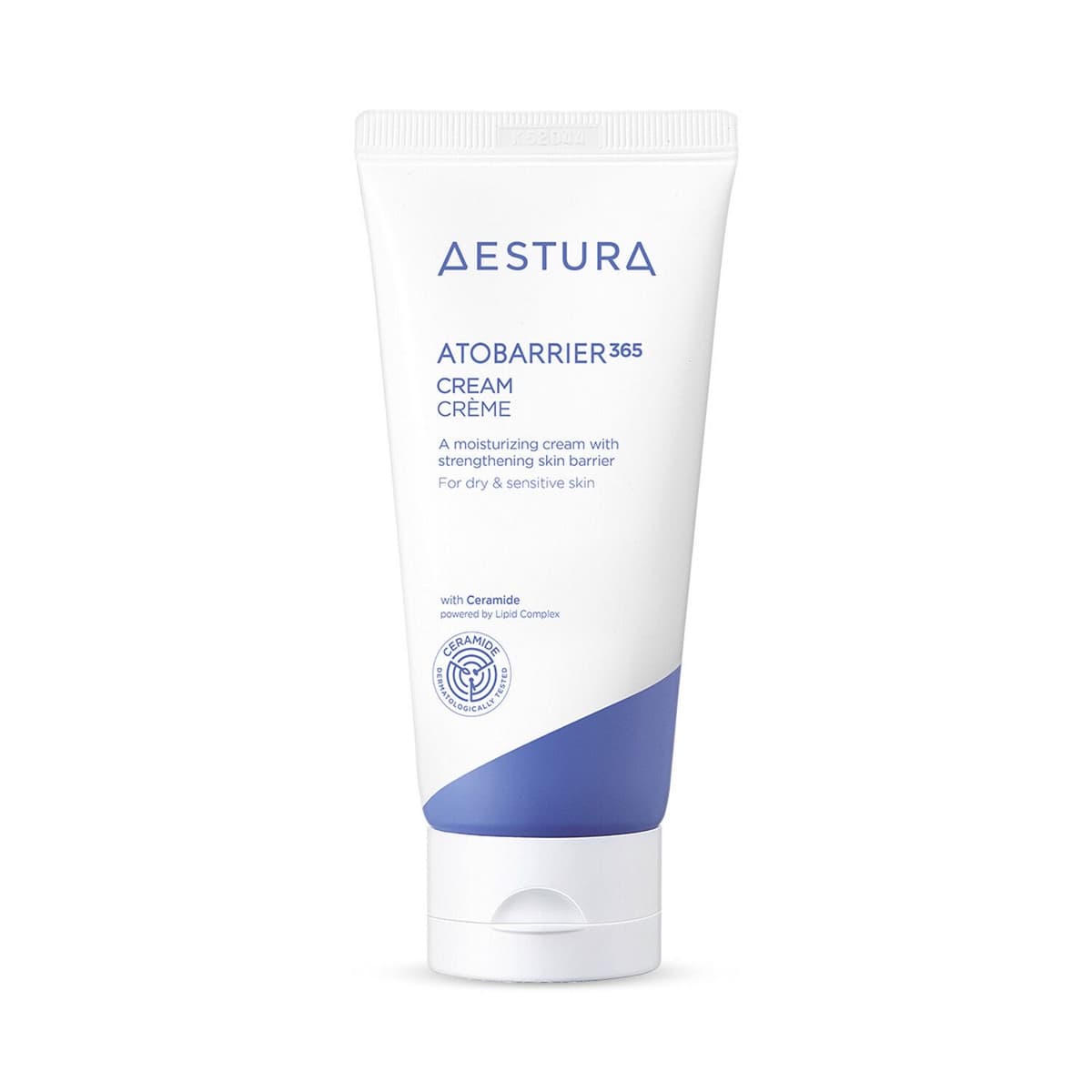
Full INCI, in label order: Water, Butylene Glycol, Glycerin, Butylene Glycol Dicaprylate/Dicaprate, Cetyl Ethylhexanoate, Squalane, Pentaerythrityl Tetraisostearate, Dicaprylyl Carbonate, Behenyl Alcohol, Dimethicone, Hydroxypropyl Bispalmitamide MEA, Stearic Acid, Betaine, Mannitol, C14-22 Alcohols, Palmitic Acid, Hydroxypropyl Bislauramide MEA, Arachidyl Alcohol, Cholesterol, Polyacrylate-13, C12-20 Alkyl Glucoside, Allantoin, Arachidyl Glucoside, Niacinamide, Ceramide NP, Glyceryl Caprylate, Ethylhexylglycerin, Hydrogenated Polyisobutene, Carbomer, Tromethamine, Dimethiconol, Polyglyceryl-10 Laurate, Hydrogenated Lecithin, Ethylhexyl Palmitate, Acrylates/Ammonium Methacrylate Copolymer, Sorbitan Isostearate, Silica, Phytosphingosine, Sphingolipids, Arachidic Acid, Tocopherol, Oleic Acid.
| Role | Ingredients (label position) | What they do |
|---|---|---|
| Humectants | Butylene Glycol (2), Glycerin (3), Betaine (13), Mannitol (14) | Draw and hold water in the outer skin layer; glycerin is one of the best-studied moisturizing ingredients |
| Emollients and film | Butylene Glycol Dicaprylate/Dicaprate (4), Cetyl Ethylhexanoate (5), Squalane (6), Pentaerythrityl Tetraisostearate (7), Dicaprylyl Carbonate (8), Dimethicone (10) | Smooth rough patches and slow water loss; the reason the cream feels cushioned rather than watery |
| Ceramide-type lipids | Hydroxypropyl Bispalmitamide MEA (11), Hydroxypropyl Bislauramide MEA (17), Ceramide NP (25), Phytosphingosine (38), Sphingolipids (39) | Two synthetic ceramide-like lipids appear high on the list, with skin-identical Ceramide NP and sphingoid bases further down |
| Free fatty acids | Stearic Acid (12), Palmitic Acid (16), Arachidic Acid (40), Oleic Acid (42) | The third lipid family of the barrier; stearic and palmitic acid are the ones used in the classic barrier-repair lipid studies |
| Cholesterol | Cholesterol (19) | The second lipid family; without it, ceramide-only mixtures repair the barrier more slowly in lab models |
| Supporting actives | Allantoin (22), Niacinamide (24), Tocopherol (41) | Skin-conditioning and antioxidant support; AESTURA says niacinamide is used at a small amount |
| Capsule and texture system | Behenyl and Arachidyl Alcohol, Alkyl Glucosides, Hydrogenated Lecithin, Polyacrylate-13, Carbomer, Silica | Build the lamellar cream structure and the visible capsules that melt when spread |
Disclosed concentrations: AESTURA does not publish the percentage of any ingredient, and the ceramide-to-cholesterol-to-fatty acid ratio is not stated. Its product FAQ says the niacinamide amount is “quite small,” and the brand reports a “190% higher retention rate” for its encapsulated ceramides compared with a non-capsule version in its own testing. No fragrance or parfum appears in the list. The international page also lists the cream as free of parabens, phthalates, sulfates and mineral oil.
What the research says about the key ingredients
For help choosing between barrier lipids and water-binding hydration, read our ceramides versus hyaluronic acid guide.
The design logic is older than the product. In 1996, Man, Feingold, Thornfeldt and Elias at UCSF showed in mouse skin that ceramides, cholesterol and free fatty acids work as a set: applying one or two of them to a disrupted barrier delayed recovery, an equimolar mix of all three allowed normal recovery, and raising any one of the three up to a 3:1:1 ratio sped recovery further. Preliminary results in damaged human skin pointed the same way (J Invest Dermatol, 1996). That study is why a cream that lists all three families, as this one does, is built differently from a cream that adds a token ceramide to an ordinary lotion base.
Niacinamide has a separate barrier rationale. In cultured human skin cells, 1 to 30 micromolar niacinamide raised ceramide synthesis 4.1 to 5.5-fold over six days, along with free fatty acids and cholesterol; topical niacinamide also raised ceramide levels in the outer skin and lowered water loss in dry skin (Tanno et al., Br J Dermatol, 2000). AESTURA describes its niacinamide dose as small, so read it as support for the lipid system rather than a niacinamide treatment. For how niacinamide behaves at the higher doses used in serums, see our explainer on using niacinamide with azelaic acid.
The best human evidence covers moisturizers as a category. A Cochrane systematic review of 77 randomized trials (6,603 participants, average 6.7 weeks) found that moisturizers lowered investigator-rated eczema severity, reduced flares and prolonged the time to a flare compared with no moisturizer; it found no reliable evidence that one moisturizer beats another (van Zuuren et al., Cochrane, 2017). The American Academy of Dermatology likewise recommends applying a cream or ointment to damp skin right after washing and whenever skin feels dry (AAD dry-skin tips).
| Claim | Best evidence | Study type, size, duration | Strength |
|---|---|---|---|
| Regular moisturizer use improves dry, eczema-prone skin | Cochrane review, van Zuuren 2017 | Systematic review, 77 RCTs, 6,603 people, mean 6.7 weeks | Strong |
| A complete ceramide-cholesterol-fatty acid mix supports barrier recovery better than one lipid alone | Man et al. 1996 | Mouse barrier-disruption model with preliminary human data | Lab-only |
| Niacinamide raises the skin’s own ceramide production | Tanno et al. 2000 | Human keratinocyte culture plus topical application to dry skin | Limited |
| This formula raised hydration and reduced self-rated sensitivity | AESTURA brand test | 32 adult women, February 20 to March 23, 2023, brand-run, no comparison group | Limited |
Ingredient research shows why the formula is designed this way; the finished cream’s own numbers come from AESTURA’s test, covered next.
AESTURA’s own test data
AESTURA’s international product page reports the following for a test on 32 adult women from February 20 to March 23, 2023:
- 242% increase in surface hydration and 356% increase in deep hydration, with moisture described as doubling immediately after use
- a twofold improvement in a damaged-barrier measure within 10 minutes
- 39% fewer flaking dead skin cells immediately, and skin texture improved by 4.7% immediately and 5.5% after 4 weeks
- 51% reduction in skin sensitivity after 4 weeks
- 100% of participants agreeing that the cream applied softly and that skin felt less dry
The same page lists three further safety tests: a 48-hour patch test at a university hospital dermatology department, a 4-week non-comedogenic assessment counting acne lesions and sebum in 20 adults with acne-prone or sensitive skin, and a 4-week sensitive-skin panel. AESTURA does not publish the full protocols or a control group for these results, so they describe how this formula performed in the brand’s testing rather than a comparison with other creams. The 120-hour moisturization claim on the label is also AESTURA’s own.
What 10 Korean reviews report
We coded 10 Korean blog and professional reviews of the cream published from August 2019 to May 2026, spanning the original formula and the current 24AD version.
- 10 of 10 describe meaningful hydration, softness, less tightness or a comfortable protective feel. One self-described dry-skin reviewer reports 10 to 12 hours without tightness.
- 8 of 10 discuss the capsules, spread or absorption, and most say the beads melt quickly once the cream is smoothed over skin.
- 5 of 10 single out low stickiness or easy absorption, including reviewers who wear it under makeup.
- 4 of 10 recommend a smaller amount, or a lighter cream, for oily skin and warm weather because the protective film is substantial.
- 4 of 10 pair it with an extra layer or companion product on very dry areas or in dry air.
The pattern is consistent: a rich, fragrance-free cream that absorbs better than its density suggests, with its strongest fans among dry, dehydrated and sensitive-feeling skin. Professional commentary from January 2026 describes the reformulated version as smoother and quicker to absorb than the original.
| Skin type or situation | What the reviews report | Best way to use it |
|---|---|---|
| Dry, or dry in colder months | Long-lasting comfort and softness | Full-face layer morning and night; extra on cheeks |
| Sensitive-feeling | Gentle, no-sting application recurs | Press rather than rub; patch test first |
| Dehydrated-oily or combination | Hydration without much shine at small doses | Pea-sized amount on dry zones only |
| Very oily or hot, humid climate | The film can feel heavy | Evening use, or a gel cream instead |
Price per mL
Checked October 6, 2026:
- Amazon US, AESTURA store listing for the 80mL cream: US$32.00, which is US$0.40 per mL.
- AESTURA international site list price for 80mL: US$44, or US$0.55 per mL.
An 80mL tube used twice daily at about half a gram per application lasts roughly 11 weeks, so the Amazon price works out to under US$3 a week. A 45mL size also exists, so compare milliliters before comparing prices.
Who it suits, and who should pick something else
Choose it if your skin feels tight after cleansing, flakes in winter or under air conditioning, or reacts to fragranced creams. The full lipid set and fragrance-free list make it a strong final step for dry and sensitive-feeling skin, and it pairs well with exfoliating acids or retinoids used elsewhere in a routine, because those tend to leave skin drier.
Pick something else if your skin is very oily, you live in a hot and humid climate, or you want a weightless gel under makeup. A gel cream or lotion will feel more comfortable, and you can keep this cream for dry patches or winter evenings. If you have diagnosed eczema or a persistent rash, a board-certified dermatologist can fit a moisturizer into a treatment plan.
For the wider routine this cream belongs in, see what Koreans actually do in their skincare routine. If you want a lighter hydrating layer underneath, compare our formula analysis of SKIN1004 Madagascar Centella Ampoule; for a lighter gel-cream alternative, see COSRX Advanced Snail 92 All In One Cream.
How to use it
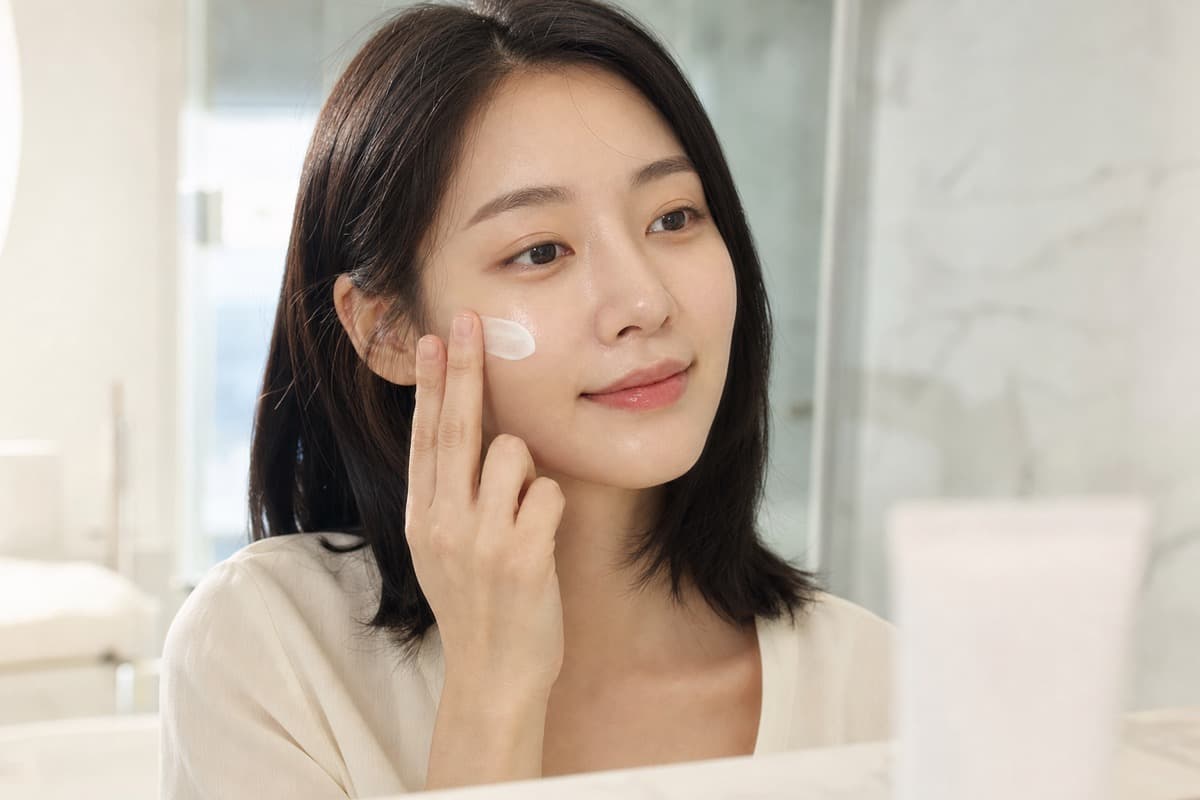
AESTURA directs applying it evenly to clean skin morning and evening, after toner and serum, then gently smoothing and pressing it in.
- Apply to slightly damp skin. The AAD recommends moisturizing right after washing, when the skin still holds some water for the humectants to work with.
- Use lighter layers first. Toner, essence or serum goes underneath; give watery layers a minute to settle.
- Start with a pea-sized amount. Warm it between your fingertips, or roll it on the back of your hand as AESTURA suggests, so the capsules melt before they reach your face.
- Smooth, then press. Work from the cheeks outward and press rather than rub, especially on reactive areas.
- Adjust by zone and season. Less on the T-zone and in summer; a second thin layer on dry patches in winter.
- Finish with sunscreen in the morning. Let the cream settle for a few minutes so sunscreen spreads evenly; our guide to how much sunscreen to use on your face covers the amount.
The bottom line
Atobarrier 365 Cream is a well-designed barrier cream: all three barrier lipid families, solid humectants, no fragrance, and a capsule system that melts into a richer-than-average finish. The research behind complete lipid mixtures and regular moisturizer use is strong, AESTURA backs the finished formula with a dated 32-person test, and Korean reviewers over nearly seven years consistently describe lasting comfort. Dry and sensitive-feeling skin is its natural match; oily skin gets the most from it in small amounts and cold months.
Sources and research notes
AESTURA official international and Korean product pages with the full ingredient list and 2023 brand test data, Olive Young Global label information, Amazon US price, a Cochrane review of moisturizers, controlled lipid and niacinamide barrier studies, AAD dry-skin guidance and 10 Korean reviews published August 2019 to May 2026, checked on the date shown.
Source record date: 2026-10-06. Prices and availability are as of that date.
- AESTURA international: Atobarrier 365 Cream (INCI, 32-person 2023 test, FAQ)
- AESTURA Korea: Atobarrier 365 Cream product page
- Olive Young Global: AESTURA Atobarrier 365 Cream 80mL (Korean label information)
- Amazon US: AESTURA Atobarrier365 Cream 80mL listing (US$32.00 on 2026-10-06)
- van Zuuren et al. Emollients and moisturisers for eczema. Cochrane Database Syst Rev 2017
- Man et al. Optimization of physiological lipid mixtures for barrier repair. J Invest Dermatol 1996
- Tanno et al. Nicotinamide increases biosynthesis of ceramides. Br J Dermatol 2000
- American Academy of Dermatology: Dermatologists' top tips for relieving dry skin
- Korean user review: fruitfulife.tistory.com/1978
- Korean user review: pueee-everything.tistory.com/281
- Korean user review: lsm656.tistory.com/32
- Korean user review: tactora.tistory.com/3
- Korean user review: graduated-pipet.tistory.com/3
- Korean user review: lim-z.tistory.com/60
- Korean user review: sjreview.tistory.com/12
- Korean user review: hiyongstory.tistory.com/36
- Korean user review: danmicy.tistory.com/574
- Korean user review: rosieline.tistory.com/87
Frequently asked questions
What is actually in AESTURA Atobarrier 365 Cream?
A 42-ingredient barrier cream built on the three lipid families of the skin barrier: ceramide-type lipids (Ceramide NP, two synthetic ceramide-like lipids, phytosphingosine and sphingolipids), cholesterol, and free fatty acids (stearic, palmitic, arachidic and oleic acid). Glycerin, butylene glycol, betaine and mannitol supply humectancy, and squalane plus light esters and dimethicone supply the cushion. Niacinamide sits mid-list at a level AESTURA describes as small.
Is AESTURA Atobarrier 365 Cream good for oily skin?
It is a rich cream. In 10 Korean reviews published from August 2019 to May 2026, 4 said oily skin or warm weather may find the film heavy, while 5 praised low stickiness and easy absorption. Oily or combination skin usually does best with a pea-sized amount on dry zones, or by saving it for evenings and cold months.
Does it contain fragrance?
No fragrance or parfum appears in the ingredient list published by AESTURA and Olive Young Global, checked October 6, 2026. The international product page also lists the cream as free of parabens, phthalates, sulfates and mineral oil.
What does the 120-hour claim mean?
It is AESTURA's moisturization claim for the formula. The accompanying test data AESTURA publishes comes from 32 adult women tested between February 20 and March 23, 2023, including a 242% rise in surface hydration and a 51% drop in self-assessed skin sensitivity after 4 weeks. These are brand-run cosmetic measurements.
How much does it cost per mL?
On October 6, 2026 the 80mL Amazon US listing from the AESTURA store showed US$32.00, or US$0.40 per mL. AESTURA's international page lists the 80mL at US$44, or US$0.55 per mL.